Managed Equipment Services Managing Business Provider
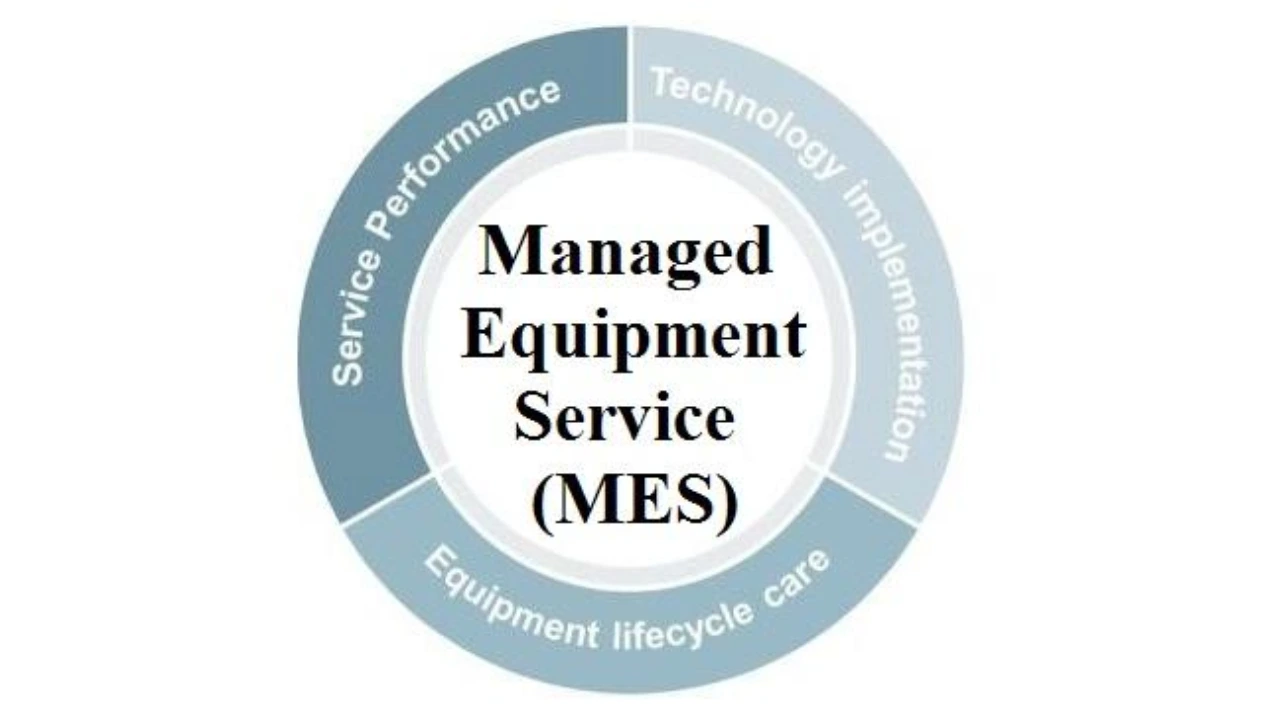
Businesses rely on equipment to complete daily tasks, serve customers, and maintain smooth operations. However, buying, maintaining, and replacing equipment can require a large amount of money and staff time. This is where managed equipment services can help businesses manage their equipment more effectively. This service model allows a company to work with an external provider that manages equipment throughout its useful life.
What Are Managed Equipment Services?
Managed equipment services refer to an arrangement where an external provider takes responsibility for managing business equipment. The provider works according to an agreed service contract and manages specific equipment needs for the customer. A provider may supply equipment, install it, maintain it, monitor its condition, and arrange repairs. In specialized fields such as fire safety and emergency response, resources like avhsd fire technology can also help readers understand how equipment, training, and technical knowledge support professional operations.
How Do Managed Equipment Services Work?
A typical service starts with an assessment of the company’s equipment needs. The provider reviews the type of equipment, its condition, usage, and expected performance. The contract may cover equipment supply, installation, maintenance, repairs, monitoring, and technical support. The provider and customer agree on service levels, costs, response times, and responsibilities. After installation, the provider may monitor equipment to identify possible issues. Regular maintenance can also help prevent unexpected failures.
Why Are Managed Equipment Services Important?
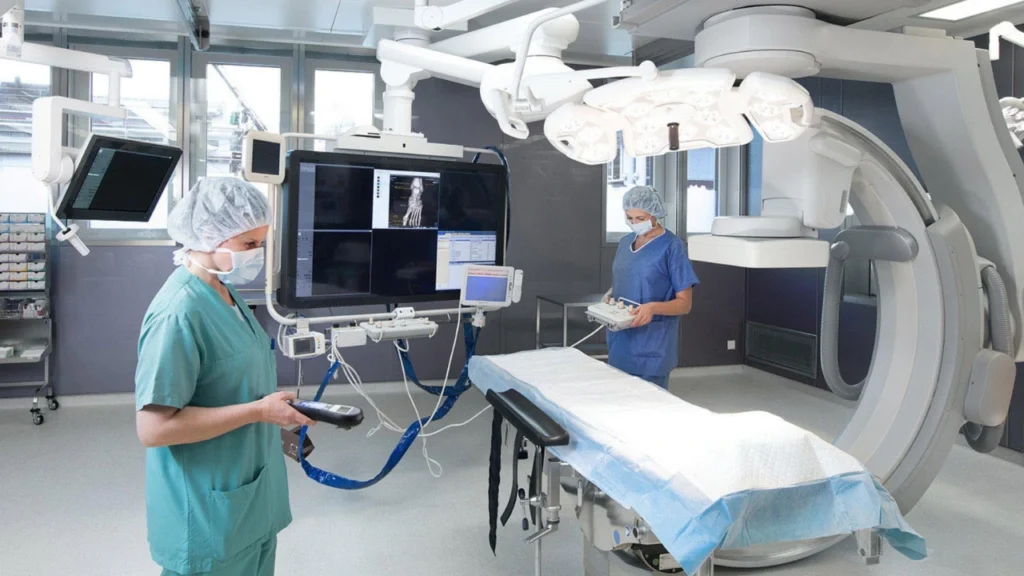
Modern businesses often depend on equipment for important daily operations. A problem with one machine can slow production, delay customer service, or interrupt business activities. Equipment management also involves several costs. These costs can include purchase prices, maintenance, spare parts, repairs, software updates, staff training, and replacement expenses. A managed service approach can bring these activities under one structured agreement.
Key Features of Managed Equipment Services
The features of managed equipment services vary by provider and industry. However, most arrangements focus on keeping equipment operational and reducing the workload for the customer.
- Equipment installation is often part of the service. Technicians can install and configure equipment according to the customer’s requirements. They may also test the equipment before handing it over for regular use.
- Maintenance forms another important part of the service. Providers can perform scheduled checks to identify wear, faults, or performance problems. Preventive maintenance can reduce the risk of unexpected breakdowns.
- Technical support can also form part of the agreement. Customers may contact the provider when equipment stops working or shows signs of a problem.
- Some providers also offer remote monitoring. This system can collect equipment data and identify unusual performance. Early detection can help technicians address problems before they cause major disruption.
Benefits of Using Managed Equipment Services
- One major benefit is better equipment reliability. Regular maintenance can help equipment perform consistently and reduce avoidable failures.
- Businesses may also gain better control over equipment costs. Instead of dealing with separate expenses for maintenance, repairs, and support, companies may combine services under one contract.
- Another benefit involves staff productivity. Employees do not always have the technical knowledge needed to manage complex equipment.
- A specialist provider can handle technical tasks while employees focus on their main responsibilities.
- The service can also support business growth. When a company expands, it may need additional equipment. A service provider can help plan equipment requirements and support new installations.
Managed Equipment Services and Cost Management
Equipment can create both direct and hidden costs for a business. The purchase price represents only one part of the total cost. Companies also need to consider maintenance, repairs, energy use, training, storage, and eventual replacement. Managed equipment services can help businesses plan these costs more clearly. A contract may combine several services into a regular payment structure. However, businesses should not assume that managed services will always cost less than buying equipment. The value depends on the equipment, contract terms, usage, maintenance needs, and service quality.
Industries That Use Managed Equipment Services
Many industries can use this service model because they depend on equipment for daily operations. The exact equipment and services differ from one industry to another. Healthcare organizations may use managed services for medical equipment. These services can cover equipment maintenance, technical support, monitoring, and replacement planning. Offices can use managed services for printers, computers, networking equipment, and other workplace technology. Providers can maintain equipment and provide support when technical problems occur.
Managed Equipment Services vs Equipment Purchase
Buying equipment gives a company direct ownership. The company can control how it uses the equipment and when it replaces it. However, ownership also brings responsibility for maintenance, repairs, upgrades, and disposal. A managed service arrangement places more responsibility with the service provider. The provider may manage equipment from installation through maintenance and eventual replacement.
Businesses should compare ownership costs with service costs before making a decision.
How to Choose a Managed Equipment Provider?
Choosing the right provider requires careful research. Businesses should first identify which equipment they want the provider to manage. The company should then review the provider’s experience with similar equipment and industries. Technical knowledge matters because poor maintenance can create operational problems. Service response times also deserve attention. The contract should clearly explain what happens when equipment fails and how quickly the provider will respond.
A clear contract can prevent misunderstandings about costs and responsibilities.
Future of Managed Equipment Services
Technology continues to change how businesses manage equipment. Connected devices and remote monitoring systems can provide more information about equipment performance. Predictive maintenance may become increasingly important. Instead of waiting for equipment to fail, providers can use performance data to identify possible problems earlier. Cloud-based management can also make equipment monitoring easier. Businesses may receive reports about equipment usage, maintenance needs, and performance through online platforms.
Final Thoughts
Managed equipment services provide businesses with a structured way to manage equipment without handling every task internally. The service can cover installation, maintenance, repairs, monitoring, technical support, and equipment replacement. The model can help businesses improve equipment reliability and simplify maintenance management. It can also give internal employees more time to focus on important business activities. However, companies should carefully compare costs, service levels, contract terms, and provider experience. No single service model works for every organization.