Closed Kitchen Trend Comeback Biggest Home Design
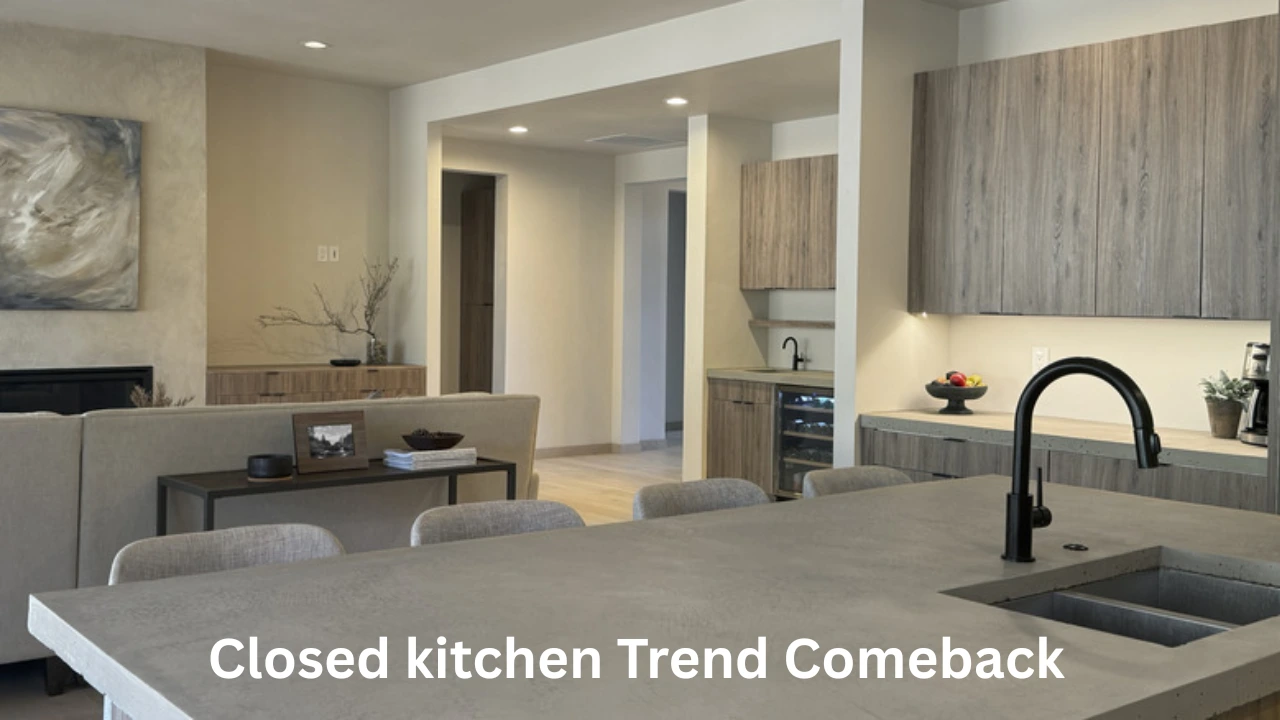
For years, open kitchens were one of the biggest home design trends. Homeowners removed walls to connect the kitchen with the dining and living areas. The goal was to create a larger and more social space. However, many homeowners now want something different. The closed kitchen trend comeback reflects a growing interest in rooms that feel more private and practical.
What Is a Closed Kitchen?
A closed kitchen is a kitchen that has some form of physical separation from other rooms. Walls, doors, partitions, or architectural openings can create this separation. Traditional homes often used this layout. The kitchen served as a dedicated work area. Family members could cook without making the entire home part of the cooking space. The kitchen has its own zone while remaining connected to the rest of the home. This design can work in both large and small houses. For people researching different services and businesses online, terms such as unified products and services contact number may also appear in search results, although they are not directly related to closed kitchen design.
Why Is the Closed Kitchen Trend Coming Back?
The closed kitchen trend comeback has several possible reasons. Many homeowners have spent years living with open-plan homes. They now understand both the benefits and drawbacks of this layout. Open kitchens create strong visual connections. However, everything in the kitchen remains visible. Dirty dishes, cooking tools, food preparation, and countertop clutter can become part of the living room view. Noise can also travel more easily across an open floor plan.
Closed Kitchen vs Open Kitchen
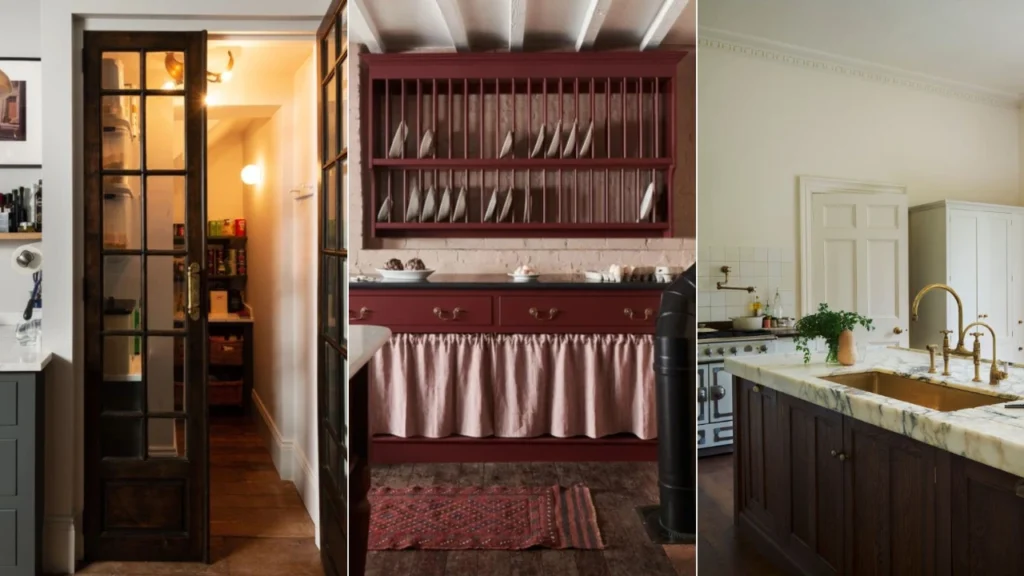
Both kitchen layouts have advantages. The better choice depends on how people use their homes.
| Feature | Closed Kitchen | Open Kitchen |
|---|---|---|
| Privacy | Higher | Lower |
| Noise control | Better | Lower |
| Cooking smells | Easier to contain | Can spread |
| Visual connection | Limited | Strong |
| Storage walls | Often easier | May be limited |
| Social interaction | More separated | Very easy |
| Cooking mess | Easier to hide | Usually visible |
| Natural light | Depends on design | Often strong |
| Room definition | Strong | Weak |
Open kitchens remain useful for families that enjoy cooking and socializing together. Closed kitchens work well for people who prefer defined rooms. The choice should therefore focus on lifestyle rather than fashion alone.
Benefits of a Closed Kitchen
- One major benefit is better control over kitchen mess. You can close a door when guests arrive. You do not need to clean every countertop before people enter the living room.
- A separate kitchen can also reduce noise. This feature can help when someone wants to watch television while another person prepares food.
- Another benefit involves smells. A closed room can help limit the movement of cooking odors. Good ventilation still matters, but physical separation can add another layer of control.
- Storage can also improve. A closed kitchen often provides more uninterrupted wall space. Designers can use that space for tall cabinets, pantry storage, and appliance areas.
The closed kitchen trend comeback also connects with the desire for more personal spaces. Modern homes do not always need every room to serve several purposes at once.
Better Storage and Organization
Storage plays an important role in modern kitchen design. Homeowners want kitchens that look clean but still hold everyday items. A separate kitchen can provide more space for full-height cabinets. Designers can also create pantry walls and hidden storage areas. Appliances can sit behind cabinet doors. Small appliances can stay on dedicated shelves instead of remaining on the main countertop.
Good storage is one of the strongest reasons to consider a more defined kitchen layout.
Better Control of Noise and Smells
Noise is often overlooked when people plan a kitchen. Modern kitchens contain many machines. Refrigerators, dishwashers, mixers, coffee machines, and ventilation systems can all create sound. An open layout allows these sounds to travel into nearby spaces. A closed kitchen creates a physical barrier. Cooking smells create another concern. Fried foods, spices, garlic, and other ingredients can produce strong odors. The combination of separation and proper ventilation can make the kitchen more comfortable.
Modern Closed Kitchen Design Ideas
The closed kitchen trend comeback does not require homeowners to recreate an old-fashioned kitchen. Modern design can make a separate kitchen feel bright, stylish, and connected. Glass doors offer one popular solution. They create a physical barrier while allowing light to move between rooms. Pocket doors can provide another option. These doors slide into the wall when open. They disappear from view and save floor space. A wide doorway can also create a balanced look.
The Rise of Semi-Closed Kitchens
The semi-closed kitchen may become one of the most practical solutions for modern homes. It offers some benefits of both major layouts. A semi-closed kitchen may use a partial wall, glass doors, an interior window, or a large opening. This setup lets homeowners close the kitchen when needed. They can also open the space during parties and family gatherings. For many people, this flexibility matters more than following a strict design trend.
| Semi-Closed Feature | Main Advantage |
| Glass doors | Keeps light moving through spaces |
| Sliding doors | Saves floor space |
| Wide doorway | Creates easy movement |
| Half wall | Adds separation without full enclosure |
| Interior window | Maintains visual connection |
| Pocket door | Provides flexible privacy |
This flexible approach may help explain why the closed kitchen trend comeback feels different from older kitchen trends.
Does a Closed Kitchen Make a Home Feel Smaller?
A closed kitchen can make a home feel smaller if the design blocks light and movement. However, smart planning can prevent this problem. Natural light should remain a major priority. Glass doors and interior windows can help distribute daylight. Light colors can also make a room appear larger. Reflective surfaces can increase the feeling of brightness. Good lighting matters as well. A combination of ceiling lights, task lights, and cabinet lighting can make a separate kitchen feel warm.
Is the Open Kitchen Going Out of Style?
The closed kitchen trend comeback does not mean that open kitchens are disappearing. Open-plan layouts remain popular in many homes. Current Houzz research continues to show strong interest in open layouts. For example, recent kitchen projects still feature open connections between cooking, dining, and living areas. At the same time, traditional kitchen styles have gained attention. Houzz reported that traditional style rose five percentage points in its 2025 U.S. kitchen study.
How to Create a Closed Kitchen Without Major Renovation?
You do not always need to rebuild the entire home. Smaller changes can create a stronger sense of separation. A sliding glass door can divide the kitchen from the dining room. A half wall can create a visual boundary. Furniture placement can also define the kitchen area. Lighting can help create zones. Different lighting levels can make the kitchen feel like a separate room even without a full wall.
What Materials Work Well in Closed Kitchens?
Material choices can give a closed kitchen its own personality. Warm wood cabinets can create a comfortable traditional look. Stone countertops can provide durability and visual interest. Ceramic and porcelain tiles work well for backsplashes and floors. Glass can help maintain brightness. Natural textures can make a separate kitchen feel welcoming. Wood, stone, woven materials, and soft lighting can reduce the cold feeling that some enclosed rooms create.
Final Thoughts
The closed kitchen trend comeback shows that home design trends often move in cycles. Open kitchens became popular because they created bright and social living spaces. Now, some homeowners want more privacy, storage, and control. A closed kitchen can contain cooking smells and noise. It can also hide everyday mess and provide additional storage opportunities. However, homeowners do not need to choose between a completely open or completely closed design. Semi-closed layouts offer a useful middle ground.