Smart Home Design Ideas for Better Curb Appeal
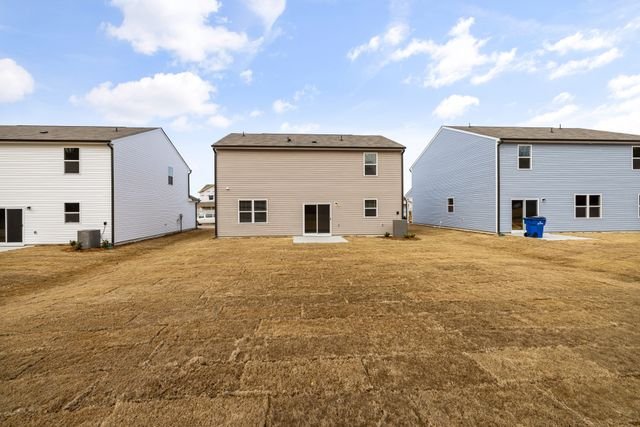
The exterior of a home creates the first impression before anyone enters the property. A successful design combines attractive colors, durable materials, balanced landscaping, useful lighting, and a welcoming entrance. These elements should work together instead of competing for attention.
Also Read: Overview of Cost Segregation
Homeowners looking for inspiration can explore different facade styles, outdoor materials, entrance concepts, and landscaping approaches. Resources such as exterior design drhomey can serve as a starting point when considering ways to improve the appearance and function of a home’s exterior. Any idea should still be adjusted for the building, local climate, maintenance needs, and available budget.
Begin With the Existing Architecture
The best exterior improvements respect the basic shape and proportions of the house. Before selecting paint, stone, cladding, or decorative features, look at the roofline, windows, balconies, columns, and entrance. A clear design direction helps these parts feel connected.
Trying to force an unrelated style onto a building can make the facade look busy. Instead, use new finishes and details to strengthen the home’s existing character while correcting areas that feel plain or unbalanced.
Create a Clear and Welcoming Entrance
The front entrance should be easy to identify from the street or driveway. A distinctive door, covered porch, pathway, lighting, or carefully placed plants can guide attention toward the entry without requiring excessive decoration.
Door hardware, house numbers, steps, railings, and nearby wall lights should feel like part of one design. Keeping the entrance clean and visible also supports everyday convenience and safety.
Choose Exterior Colors Carefully
Exterior color affects the entire appearance of a property. A simple palette with one main color and a small number of supporting tones often creates a more organized result. Trim, doors, gates, and architectural details can provide controlled contrast.
Always consider how colors look in direct sun, shade, and evening light. Testing samples on the actual exterior is useful because a color can appear different outdoors than it does on a small sample card.
Use Materials That Can Handle the Weather
Exterior materials need to provide more than visual appeal. Heat, sunlight, dust, rain, moisture, and seasonal temperature changes can affect how surfaces age. Maintenance requirements should therefore be considered before installation.
Stone, brick, stucco, wood-look finishes, metal, concrete, and modern cladding can all create attractive results when used correctly. Limiting the number of finishes can help prevent the facade from looking overloaded.
Add Depth Instead of Excess Decoration
A flat facade can often be improved through depth and shadow rather than extra ornament. Recessed windows, overhangs, fins, balconies, frames, screens, and changes in surface texture can create stronger visual interest.
These features should also have a practical purpose when possible. Overhangs can provide shade, screens can increase privacy, and recessed areas can protect openings while adding dimension to the elevation.
Improve Exterior Lighting
Outdoor lighting helps a home remain welcoming and functional after sunset. Entry lights, step lights, pathway fixtures, and carefully positioned facade lighting can improve visibility while highlighting important architectural features.
Use lighting with restraint. Too many bright fixtures can flatten the architecture and create glare. A layered approach that focuses on the entrance, paths, selected walls, and landscape features usually produces a more comfortable result.
Connect Landscaping With the Architecture
Landscaping should frame the home instead of hiding it. Trees, shrubs, flowers, lawn areas, planters, and ground covers can soften hard building materials while adding color and seasonal interest.
Hardscape elements such as paths, walls, patios, edging, and driveways provide structure. Combining these features with living plants creates a more balanced outdoor environment and can make the property feel complete.
Keep Walkways and Driveways Practical
Paths and driveways are major visual elements, but they must first work safely. Walkways should provide a clear route to the entrance, while driveway layouts should allow comfortable vehicle movement and access.
Materials and patterns can complement the facade without becoming distracting. Good drainage, slip resistance, durability, and easy maintenance are more important than choosing a surface only because it looks fashionable.
Use Windows as Part of the Exterior Composition
Windows influence the rhythm and balance of a facade. Their size, position, frames, shading, and relationship with nearby materials can strongly affect the overall design. Window changes should also consider the interior rooms behind them.
Large areas of glass can look modern, but they may increase heat and glare if they are not properly shaded. Louvers, canopies, screens, and suitable glazing can help balance appearance with comfort.
Design Outdoor Living Areas With Purpose
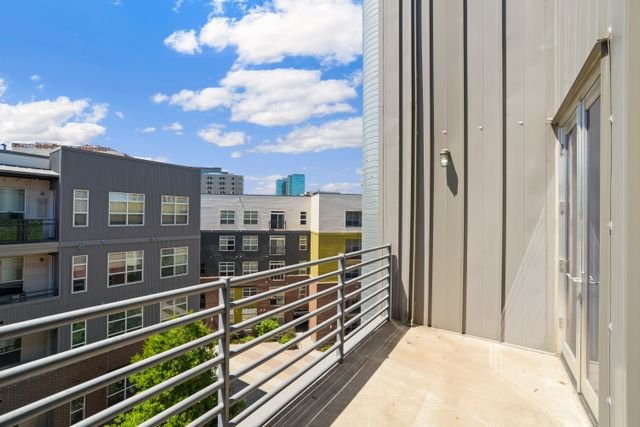
Porches, terraces, patios, and balconies can extend the usable area of a home. Comfortable seating, shade, lighting, and weather-resistant materials can turn these spaces into practical areas for relaxing or entertaining.
Outdoor furniture should fit the scale of the space and leave enough room for movement. Plants and textiles can add softness, but materials should be selected for outdoor exposure and easy cleaning.
Think About Privacy and Security
Exterior design should support privacy without making the property feel closed or unfriendly. Screens, fences, walls, planting, window placement, and carefully designed gates can control views from neighboring properties and streets.
Security features can also be integrated into the design. Good entrance visibility, reliable locks, suitable lighting, and clear paths can improve safety while maintaining a polished appearance.
Plan for Low Maintenance
A beautiful exterior becomes difficult to enjoy if it requires constant repair and cleaning. Select finishes that suit the climate and consider how easily walls, windows, gutters, paths, and landscaping can be maintained.
Simple planting schemes, durable surfaces, accessible drainage points, and quality exterior paint can reduce long-term work. Maintenance planning is especially important for areas that are difficult or expensive to reach.
Make Small Improvements Before Major Renovations
Not every exterior update requires structural work. Cleaning walls, repainting the front door, replacing damaged fixtures, trimming plants, updating house numbers, and improving pathway lighting can create a noticeable difference.
Completing smaller projects first can also reveal whether a larger renovation is truly necessary. This approach helps homeowners prioritize spending and avoid replacing elements that still work well.
Exterior Improvement Ideas at a Glance
| Exterior Area | Possible Improvement | Main Benefit |
| Front entrance | Door, lighting, house numbers, planters | Creates a clear focal point |
| Facade | Paint, texture, cladding, architectural depth | Improves visual character |
| Landscape | Trees, shrubs, flowers, edging | Softens and frames the building |
| Pathways | Better surfaces and lighting | Improves access and safety |
| Windows | Frames, shading, screens | Balances style, privacy, and comfort |
| Patio or porch | Seating, shade, outdoor lighting | Adds usable outdoor space |
Common Exterior Design Mistakes
Using too many colors and materials can make a facade feel disconnected. Other common problems include oversized decorative features, poorly placed lighting, landscaping that blocks important windows, and exterior changes that ignore the proportions of the original building.
Another mistake is focusing only on appearance. Drainage, weather resistance, shade, access, privacy, safety, and maintenance should be considered during the design stage so that attractive improvements remain practical over time.
Final Thoughts
A strong home exterior is created by coordinating architecture, materials, color, lighting, landscaping, and functional outdoor areas. The goal is not to add as many features as possible, but to create a clear and balanced design that fits the property.
Start with the areas that need the most improvement and build the design gradually. With careful planning and durable choices, even simple exterior updates can make a home feel more welcoming, modern, organized, and visually complete.