FastTurn PCBA: Reliable Solutions for Advanced Circuit Board Production
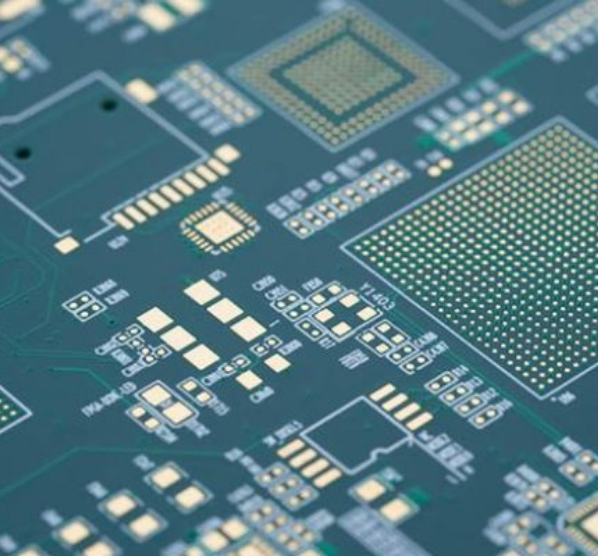
The electronics industry depends on advanced circuit board technologies to develop products that are smaller, faster, and more efficient. From smartphones and communication equipment to automotive systems and industrial machinery, printed circuit boards (PCBs) provide the electrical connections required for modern devices.
As electronic products become increasingly sophisticated, manufacturers must adopt reliable production methods that deliver precision, durability, and consistent performance. Choosing an experienced hdi pcb manufacturer can help businesses meet these demands by supporting advanced circuit designs and high-density component arrangements.
Modern circuit board production involves several important stages, including design preparation, material selection, fabrication, component assembly, and quality inspection. Each stage contributes to the reliability of the finished product. Companies developing electronic equipment must understand these processes to make informed manufacturing decisions and maintain competitive product standards.
Understanding Advanced Circuit Board Production
Printed circuit boards serve as the foundation of electronic devices. They connect different components through carefully designed conductive pathways, allowing electrical signals and power to move throughout a system.
Traditional PCBs are available in single-layer and double-layer configurations, while more advanced applications often require multilayer designs. These boards provide additional routing space and support complex electronic circuits within relatively compact structures.
As technology progresses, manufacturers are introducing improved production techniques to achieve greater precision. Advanced PCB production focuses on smaller features, accurate drilling, reliable connections, and appropriate material selection.
Several factors influence the quality of circuit board production:
- Design precision: Accurate circuit layouts help prevent electrical and manufacturing problems.
- Material quality: Suitable materials support thermal stability and electrical performance.
- Manufacturing accuracy: Advanced equipment improves consistency during fabrication.
- Component compatibility: Proper component selection supports reliable assembly.
- Testing procedures: Inspection helps identify potential defects before delivery.
Understanding these elements helps businesses develop electronic products that meet their technical requirements.
The Growing Importance of High-Density Interconnect Technology
High-Density Interconnect (HDI) technology has become an important development in modern PCB manufacturing. HDI boards use finer circuit lines, smaller vias, and more compact component arrangements than conventional circuit boards.
This technology allows engineers to create complex electronic designs without significantly increasing board dimensions. It is especially useful for devices where internal space is limited and performance requirements are demanding.
An experienced HDI manufacturing provider must understand the technical requirements involved in producing these boards. Laser drilling, microvias, precise copper layering, and advanced lamination techniques are among the processes commonly associated with HDI fabrication.
HDI technology offers several advantages:
- Compact designs: More electrical connections can fit into smaller spaces.
- Improved routing: Fine circuit patterns support complex electronic layouts.
- Higher component density: Designers can accommodate more components within limited board areas.
- Product miniaturization: Smaller circuit boards support lightweight electronic devices.
- Design flexibility: Advanced layer structures provide additional options for engineers.
These capabilities make HDI technology valuable for businesses developing next-generation electronic products.
Why Material Selection Matters in PCB Manufacturing
Material selection plays a significant role in determining how a circuit board performs under different operating conditions. Different electronic applications require specific electrical, thermal, and mechanical properties.
For example, high-frequency applications may require materials with suitable dielectric characteristics to support signal integrity. Industrial electronics may need materials that can withstand temperature variations and demanding operating environments.
FR-4 remains a commonly used PCB substrate because of its practical balance of performance, availability, and cost. However, specialized applications may require alternative materials depending on the design specifications.
Manufacturers must consider factors such as operating temperature, signal frequency, mechanical strength, and environmental conditions when selecting materials. Making the right decision during the design stage can help prevent performance issues during product operation.
The Role of Precision in PCB Assembly
Circuit board fabrication is only one part of the production process. Once a PCB has been manufactured, electronic components must be installed accurately to create a functional assembly.
PCB assembly involves several techniques, including Surface Mount Technology (SMT) and through-hole assembly. SMT is widely used because it allows small components to be mounted directly onto the board surface. This approach supports compact product designs and efficient manufacturing.
Through-hole assembly is useful for certain components that require stronger mechanical connections. Depending on the product, manufacturers may combine different assembly methods to achieve the required performance.
Accurate component placement and soldering are essential for maintaining electrical reliability. Automated assembly equipment can improve positioning accuracy and reduce inconsistencies during production.
Quality Control and Testing for Reliable Results
Quality control is one of the most important aspects of advanced circuit board production. Even minor defects can affect electrical connections, signal performance, or product durability.
Manufacturers use different inspection methods to evaluate circuit boards during fabrication and assembly. Automated Optical Inspection (AOI) helps identify visible defects, while electrical testing checks circuit continuity and possible short circuits.
Additional testing methods may include solder paste inspection, X-ray inspection, and functional testing. The appropriate approach depends on board complexity, component types, and project requirements.
A strong quality management process can help manufacturers achieve:
- Consistent production quality.
- Accurate electrical connections.
- Reduced assembly defects.
- Improved product reliability.
- Better manufacturing efficiency.
Regular inspection also helps identify production problems early, reducing the likelihood of expensive corrections later.
Industries That Benefit from Advanced PCB Production
Advanced circuit board technologies support many industries where electronic performance and reliability are essential.
Consumer Electronics: Smartphones, tablets, laptops, and wearable devices require compact circuit boards with efficient component arrangements.
Automotive Electronics: Modern vehicles use PCBs in navigation systems, sensors, battery management, and electronic control units.
Medical Equipment: Diagnostic instruments and patient monitoring devices depend on reliable electronic assemblies.
Telecommunications: Networking equipment and communication systems use advanced circuit boards to manage complex signal-processing requirements.
Industrial Automation: Robotics, control panels, and automated machinery require dependable circuit boards for continuous operation.
Each industry has unique technical requirements, making customized PCB manufacturing an important consideration for product developers.
Choosing the Right PCB Manufacturing Partner
Selecting a suitable manufacturing partner can directly influence product quality, production timelines, and overall project costs. Businesses should evaluate technical expertise, manufacturing capabilities, quality procedures, and communication standards before choosing a provider.
A capable manufacturing partner should understand project specifications and provide appropriate support for fabrication and assembly requirements. Home From South Carolina Weather Access to advanced production technologies is also valuable for companies developing complex electronic products.
FastTurn PCBA is focused on PCB manufacturing and assembly solutions for different electronic project requirements. Businesses considering its services can evaluate their design specifications, production volumes, material requirements, and assembly needs to determine the most appropriate manufacturing approach.
Clear communication is equally important. Sharing accurate design files and discussing technical expectations before production can help minimize misunderstandings and improve manufacturing outcomes.
Conclusion
Advanced circuit board production requires precision, suitable materials, modern fabrication techniques, and reliable assembly processes. Technologies such as HDI manufacturing allow engineers to develop compact and sophisticated electronic products while maintaining important performance requirements. Quality control and careful manufacturing planning further contribute to dependable results. As electronic devices continue evolving, businesses will increasingly depend on advanced PCB solutions to support innovation. FastTurn PCBA represents a relevant manufacturing resource for companies exploring PCB fabrication and assembly solutions for modern electronic applications.